
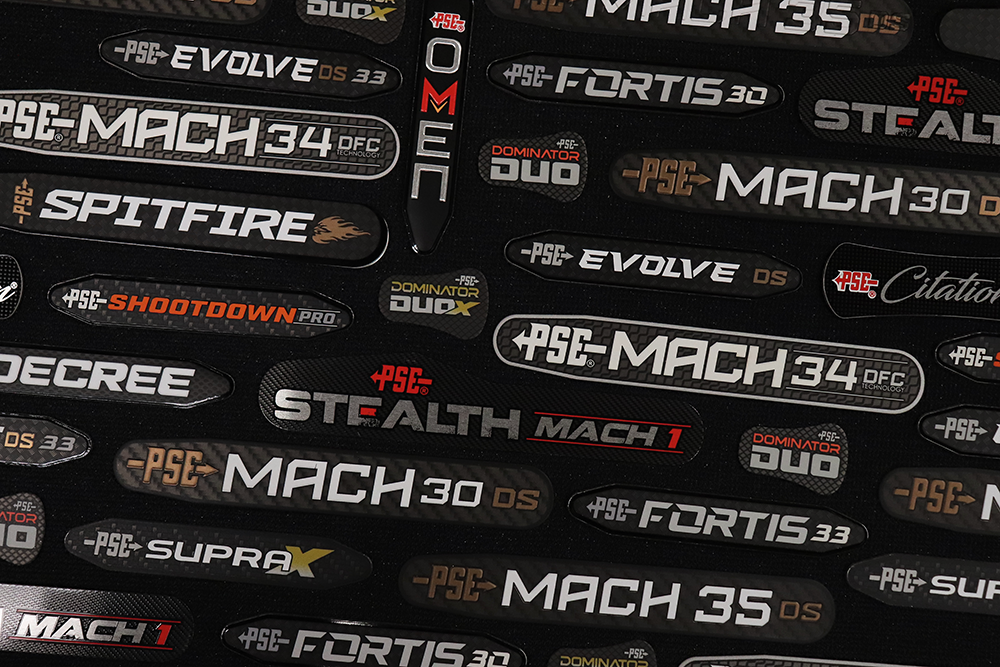
Your product's metal badge does more than identify your brand. It reinforces quality, build recognition, and signals to customers that every detail matters. When colors shift between production runs or finishes clash with your product's surface, that inconsistency can undermine years of brand-building work. McLoone helps OEMs and product teams create custom metal badges that match exact brand specifications while standing up to real-world conditions.
This guide will walk you through designing metal badges, nameplates, and labels that align with your brand colors, finishes, and overall product aesthetic. You'll learn practical steps to maintain consistency from concept through production, ensuring your badges enhance rather than detract from your products.
TLDR: How to Design Metal Badges That Match Your Brand in 7 Simple Steps
Step 1: Define Your Brand Standards and Design Requirements: Gather brand guidelines, color specifications, and product aesthetic references before starting.
Step 2: Select the Right Metal Substrate for Your Application: Choose a substrate like aluminum, stainless steel, or brass based on durability and finish needs.
Step 3: Match Colors Using Pantone or Custom Color Formulas: McLoone develops custom color formulas to ensure consistency across production runs.
Step 4: Choose Surface Finishes That Complement Your Product: Select from brushed, matte, bright, or anodized finishes to match your product aesthetic.
Step 5: Determine Badge Shape, Size, and Dimensional Elements: Finalize dimensions and consider embossing or doming for added visual impact.
Step 6: Specify Attachment Methods for Reliable Application: Select adhesives based on mating surfaces, end use, and environmental conditions.
Step 7: Request Preproduction Samples for Approval, If Necessary: Review samples under actual product conditions before committing to full production.
How to Design Metal Badges for Consistent Brand Identity
Step 1: Define Your Brand Standards and Design Requirements
Start by collecting the documents that defines your brand's visual identity. This includes color palettes, logo usage guidelines, and any existing product photography showing how badges appear on finished goods.
Ask yourself what story the badge needs to tell. A luxury appliance brand will have different requirements than an industrial equipment manufacturer. Consider whether your badge needs to convey durability, sophistication, technical precision, or all three.
Document the environment where your product operates. Will the badge face outdoor exposure, chemical cleaning, or extreme temperatures? These factors influence material and finish decisions later in the process.
Step 2: Select the Right Metal Substrate for Your Application
Your substrate choice affects everything from durability to available finish options. Aluminum offers versatility with options ranging from thin foils to rigid anodized sheets. It accepts color well and resists corrosion in many environments.
Stainless steel delivers superior durability for harsh conditions. The brushed surface creates a modern, industrial appearance that works well on equipment and machinery. Brass adds a classic, premium look suited for furniture and high-end consumer products.
Consider flexibility needs as well. A badge applied to a curved surface requires a thinner, more flexible substrate than one mounted on a flat panel. Custom nameplates can be manufactured in various thicknesses to match your application requirements.
Step 3: Match Colors Using Pantone or Custom Color Formulas
Color consistency across production runs prevents the frustrating situation where badges from different orders look noticeably different on the same product line. Start with your Pantone specifications if you have them.
Metal substrates behave differently than paper or fabric. A color that looks perfect on printed materials may shift when applied to aluminum or stainless steel. Request color chips or samples applied to actual substrates before approving final formulas.
McLoone maintains custom color formulas on file to ensure every production run matches previous orders. This eliminates guesswork and reduces the risk of visible color drift between batches. Metal finishes can also be customized to achieve specific gloss levels or metallic effects that complement your brand palette.
Step 4: Choose Surface Finishes that Compliment Your Product
The finish you select should enhance your product's overall aesthetic rather than compete with it. A bright, reflective badge on a matte black product creates intentional contrast. The same badge on a brushed stainless appliance might look out of place.
For example: opting for a brushed metal badge or ID plate adds texture to the entire surface and hide minor scratches over time, and matte finishes reduce glare and create a subtle, professional appearance.
Technical patterns and faux finishes open additional possibilities. Carbon fiber textures work well for performance-oriented products, while distressed or patina effects suit artisanal brands. The key is matching the finish to your product's personality.
Step 5: Determine Badge Shape, Size, and Dimensional Elements
Shape communicates brand personality before anyone reads your company name. Rounded corners suggest approachability, while sharp angles convey precision and technical capability. Custom die-cut shapes make badges memorable but require careful consideration of manufacturability.
Size matters for both visibility and proportionality. A badge that's too large overwhelms the product; one that's too small gets overlooked. Consider viewing distance when determining dimensions. Badges on large equipment viewed from several feet away need larger text than those on handheld devices.
Embossing adds physical dimension that catches light and creates tactile interest. Doming applies a protective resin layer that adds depth and scratch resistance. Both techniques elevate perceived value and protect graphics from wear.
Step 6: Specify Attachment Methods for Reliable Application
Even the best-designed badge fails if it doesn't stay attached to your product. Attachment method selection depends on three factors: the mating surface, end use, and environmental exposure.
Pressure-sensitive adhesives work well on smooth, clean surfaces in moderate environments. Textured or porous surfaces require specialized adhesive formulations. Products exposed to heat, chemicals, or outdoor conditions need adhesives rated for those specific challenges.
How To: Choosing the Right Adhesive
Mechanical fasteners offer an alternative for demanding applications. Screws, rivets, or welding (most typical for stainless steel) create permanent bonds that adhesives cannot match. Consider assembly line workflows when specifying attachment methods to ensure badges can be applied efficiently during production.
Step 7: Request Preproduction Samples for Approval, If Necessary
Digital proofs provide a helpful way to review the overall design, layout, and appearance of your metal badges before production. For applications where the exact look, finish, or feel is especially important, physical samples can also provide an opportunity to evaluate the finished product on your actual substrate.
If physical samples are necessary, it's important that you evaluate samples under realistic conditions. View them in the lighting environment where customers will see the final product. Test adhesion by applying samples to representative surfaces and subjecting them to expected stresses.
McLoone offers preproduction samples and concept drawings to ensure you can validate every aspect of your badge design before production begins. While unlikely, this step can catch potential issues early and prevent costly corrections after manufacturing starts.
What Materials Work for Metal Badge Production?
Metal badge production typically uses aluminum, stainless steel, or brass as base materials. Aluminum dominates the market because of its versatility, light weight, and excellent corrosion resistance. Available thicknesses range from .012" to .024".
Stainless steel provides superior durability for badges exposed to harsh industrial environments. The material maintains appearance even with repeated cleaning and chemical exposure. The naturally-occurring brushed appearance of stainless steel creates a distinctive look associated with commercial kitchen equipment and medical devices.
Brass offers a classic, warm appearance that patinas naturally over time. Products targeting heritage or artisan markets often specify brass for badges and nameplates. Polycarbonate and polyester films offer economical alternatives when metal isn't required, with diverse substrate options available for every application.
Nameplate, ID Plate, Decal, and Label Substrate Guide
How Do Environmental Factors Affect Metal Badge Durability?
Environmental conditions determine which materials and finishes will maintain their appearance over your product's lifespan. Outdoor exposure subjects badges to UV radiation, temperature cycling, and moisture. Indoor industrial environments may expose badges to chemicals, cleaning agents, or abrasive contact.
Why Application-Driven Design Matters for Product Identification
For example: domed badges gain protection from the resin layer that shields underlying graphics from scratches and chemical exposure. Screen-printed graphics on metal can withstand cleaning products that would damage paper labels.
Understanding product label failure in harsh environments helps you specify the right combination of substrate, finish, and attachment method. Test samples under accelerated aging conditions if your product will face extreme exposure during its service life.
How McLoone Helps Your Achieve Consistent Metal Badge Design
Here at McLoone, we believe a metal badge isn't just product identification. It's an opportunity to elevate your entire brand experience. With over 70 years of manufacturing experience, we've seen firsthand how thoughtful badge design can make all the difference in product perception and brand recognition.
We offer custom color matching with formulas kept on file to ensure consistency from order to order. Our in-house tooling library includes thousands of dies for quick turnaround on almost any shape, and we build new manufacturing processes when projects require unique solutions.
Our team works as an extension of your design department, offering material and manufacturability insights that prevent problems before production begins. From concept drawings to preproduction samples, we collaborate at every step to ensure your metal badges meet exact specifications.
Ready to design metal badges that truly represent your brand? Contact us for a free consultation or to request samples.
FAQs About How to Design Metal Badges for Brand Consistency
What file format should I use when submitting artwork for metal badges?
Vector formats like Adobe Illustrator (AI), EPS, or PDF work best for metal badge production. McLoone accepts vector artwork that ensures clean lines and scalability during manufacturing. Raster images may require conversion, which can affect fine details.
How do I ensure colors match between different production runs?
McLoone develops custom color formulas matched to your Pantone specifications and keeps them on file for future orders. Request color chips applied to the actual metal substrate you'll use, since colors appear differently on metal than on paper proofs.
How long does it take to receive samples of a new badge design?
Typical sample turnaround ranges from five to ten business days after artwork approval. McLoone's in-house tooling capability accelerates the process for designs requiring custom dies, often delivering samples faster than suppliers who outsource tooling.
Can metal badges be applied to curved surfaces?
Yes, metal badges can conform to curved surfaces when manufactured from thinner, more flexible substrates. McLoone ID plates and badges are available in various thicknesses to accommodate flat panels, gentle curves, and complex contours.
What attachment methods work for outdoor applications?
Outdoor applications require adhesives formulated for UV stability, temperature extremes, and moisture resistance. Pressure-sensitive adhesives rated for outdoor use bond securely when applied to properly prepared surfaces. Mechanical fasteners offer additional security for demanding environments.