
Key Takeaways: Understanding Product Label Failure in Harsh Environments
- Temperature extremes cause materials to expand and contract at different rates, weakening adhesive bonds and causing labels to peel or crack over time.
- Chemical exposure from oils, solvents, and cleaning agents can dissolve standard inks and adhesives, making labels unreadable or causing them to fall off entirely.
- UV radiation degrades label materials and fades printed information, compromising legibility and brand visibility on outdoor equipment.
- McLoone engineers durable product identification using materials and adhesives matched to your specific environmental conditions.
- Proper material selection based on documented exposure conditions can prevent costly label failures and maintain traceability throughout your product's lifecycle.
What Causes Product Identification Labels to Fail?
When your product identification labels degrade, peel, or become illegible, you lose more than just a label. You lose traceability, compliance documentation, and the brand visibility that connects your equipment to your reputation. Understanding why labels fail helps you make better specification decisions from the start.
Most label failures trace back to a mismatch between materials and the conditions they encounter. A label engineered for indoor use won't survive outdoor deployment. The right combination of substrate, adhesive, and printing method determines whether your identification lasts months or decades.
How Do Temperature Extremes Affect Label Durability?
Temperature fluctuations create stress on every component of your label construction. Plastic substrates expand and contract at different rate than metal substrates. This mismatch degrades the adhesive bond over time, causing edges to lift and curl.
High-heat applications present particular challenges. Labels near engine blocks, exhaust systems, or processing equipment can experience temperatures exceeding 390°F. Standard materials simply melt under these conditions. Specialized polyester can handle these temperatures while maintaining print legibility.
Cold environments bring their own problems. Labels in freezer storage, cryogenic applications, or cold-climate outdoor use face temperatures that make standard materials brittle. When brittle labels crack, your critical information disappears with them.
Temperature Cycling: The Hidden Stress Factor
Equipment that moves between temperature zones faces the toughest conditions. A forklift operating between a loading dock and a freezer experiences rapid thermal cycling daily. Each cycle stresses the adhesive bond. Over time, this creates microscopic failures that lead to complete label detachment.
McLoone selects materials rated for your specific temperature range, including cycling between extremes. This prevents the gradual degradation that surprises many engineers months after installation.
Why Do Chemicals and Solvents Destroy Labels?
Chemical exposure represents one of the most common causes of label failure in industrial settings. Oils, brake fluids, acetone, cleaning solvents, and acids can dissolve standard inks within minutes. They attack adhesive bonds from the edges, turning them into residue that lets labels slide off completely.
The challenge varies by industry. Automotive manufacturing exposes labels to lubricants and degreasers. Food processing requires regular washdowns with sanitizing agents. Medical equipment faces sterilization cycles using aggressive chemicals. Each environment demands a label construction matched to its specific chemical exposure.
Protecting Print from Chemical Attack
Printed information faces chemical exposure first. Standard inks dissolve when contacted by solvents, leaving you with a blank label still attached to your product. But a protective overlaminate adds another layer of defense. A clear laminate seals the printed surface from chemical contact that also maintains barcode scannability and text legibility.
How Does UV Exposure Cause Label Degradation?
Ultraviolet radiation from sunlight is one of the most destructive forces your outdoor labels will face. UV breaks down polymers at the molecular level, causing materials to become brittle, crack, and disintegrate. Inks fade and lose contrast until barcodes won't scan and text becomes unreadable.
The damage happens gradually, which makes it easy to underestimate. A label that looks fine at six months may be illegible by eighteen months. By then, you've potentially lost traceability on equipment spread across multiple sites.
UV-resistant materials and protective laminates maintain color stability and structural integrity over years of outdoor exposure. McLoone offers substrates specifically engineered for outdoor durability, keeping your brand visible and your compliance information legible season after season.
Learn more about McLoone's substrate offering by looking through this guide: Nameplate, ID Plate, Label, and Decal Substrate Guide
What Role Does Adhesive Selection Play in Label Failure?
Even the toughest substrate fails if the adhesive can't hold it in place. Adhesive selection requires careful consideration of the mating surface, environmental conditions, and required bond strength.
Surface energy matters significantly. High-surface-energy materials like bare metals bond readily with most adhesives. Low-surface-energy plastics and powder-coated surfaces require specialized adhesives formulated for these challenging substrates. Applying a standard adhesive to a powder-coated surface often results in labels that peel within weeks.
Matching Adhesive to Environment
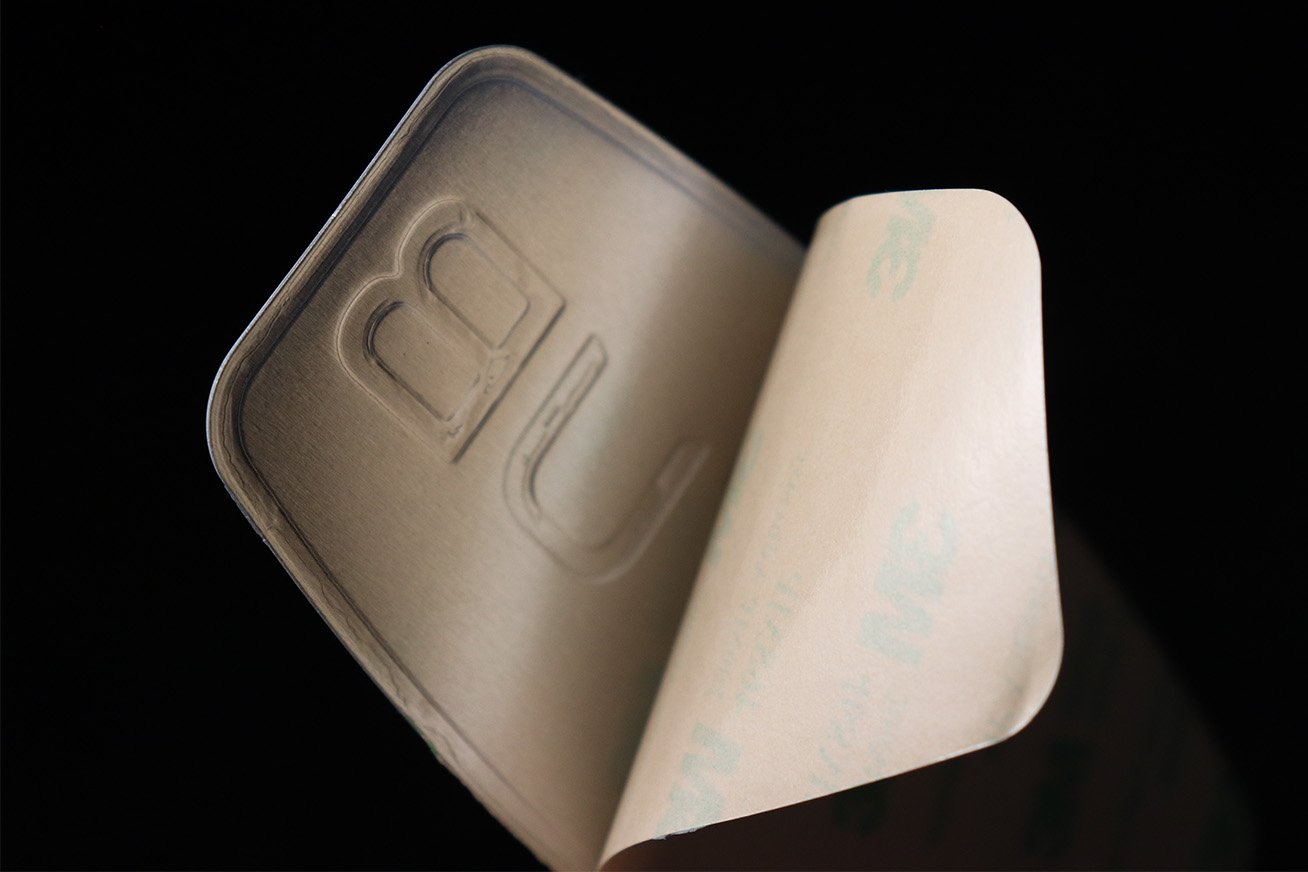
Acrylic adhesives perform well across a range of temperatures and resist UV exposure. They're a solid choice for long-term outdoor applications. Rubber-based adhesives offer aggressive initial tack on rough surfaces but may soften under high heat.
How To: Choose The Right Adhesive
Foam adhesives fill gaps on uneven surfaces and compensate for formed edges on metal badges. They also provide some insulation against thermal cycling. For curved or textured mating surfaces, the right adhesive thickness prevents edge lifting and maintains a secure bond.
How Does Physical Abrasion Contribute to Label Failure?
Labels in high-traffic areas face constant wear from handling, friction, and contact with other equipment. Warehouse labels get bumped by forklifts. Control panel overlays endure thousands of button presses. Asset tags on moving machinery experience vibration that slowly works adhesive loose.
Physical damage often starts small. A scratched barcode may still scan at first but degrades until it no longer reads reliably. Edge lifting from repeated contact allows moisture and contaminants under the label, accelerating failure.
Material selection addresses abrasion resistance directly. Metal ID plates from aluminum or stainless steel resist scratching far better than plastic. For flexible applications, polycarbonate offers excellent durability while conforming to curved surfaces.
What Surface Preparation Issues Lead to Premature Failure?
Even the right materials and adhesives fail when applied to contaminated surfaces. Dust, oil, moisture, and residue from cleaning agents interfere with adhesive bonding. A label applied to a dirty surface may look secure initially but will peel within days or weeks.
Surface preparation is straightforward but often overlooked in production environments. Clean surfaces with isopropyl alcohol, allow complete drying, and apply labels at temperatures within the adhesive's recommended range. Firm, even pressure during application eliminates air pockets that become failure points.
Testing adhesion before full production runs catches compatibility issues early. McLoone can send samples for you to evaluate on your specific substrates before committing to a production order.
How Can You Specify Labels That Won't Fail?
Preventing label failure starts with documenting the conditions your identification will face. Map the complete lifecycle: manufacturing, storage, shipping, installation, and operation. Note temperature ranges, chemical exposure, UV levels, and physical wear at each stage.
Share this documentation with our Customer Care Team. Vague specifications like "outdoor use" or "industrial environment" won't be enough information for proper material selection. Specific details about cleaning agents, temperature cycling, and exposure duration lead to better recommendations.
Working with an Experienced Partner
McLoone brings over 70 years of experience in durable product identification. Our team helps you select the right combination of materials, adhesives, and printing methods for your specific application. We've solved durability challenges across industries from construction equipment to medical devices.
Early collaboration on material selection prevents costly failures in the field. When you contact us at the specification stage, we can recommend solutions matched to your documented exposure conditions and help you avoid the trial-and-error approach that wastes time and money.
FAQs About Understanding Product Label Failure in Harsh Environments
What is the most common cause of industrial label failure?
Adhesive incompatibility with the mating surface ranks as the top cause. Labels applied to powder-coated, painted, or low-surface-energy plastics often peel because standard adhesives don't bond well to these surfaces. McLoone matches adhesive formulations to your specific substrate to prevent this issue.
How long should product identification labels last in outdoor conditions?
Properly specified outdoor labels should remain legible for 5-10 years or longer, depending on UV exposure and environmental conditions. McLoone uses UV-resistant materials and protective laminates to maintain barcode scannability and text readability throughout your equipment's service life.
Can labels survive exposure to industrial cleaning chemicals?
Yes, when constructed with the right materials. Chemical-resistant substrates paired with protective overlaminates and appropriate printing methods withstand repeated exposure to solvents, acids, and sanitizing agents. McLoone engineers labels to match your specific cleaning protocols.
Why do labels fail after temperature cycling?
Different materials expand and contract at different rates. When the printing method and the substrate underneath respond differently to temperature changes, the adhesive bond experiences stress with each cycle. Repeated cycling weakens the bond until the label lifts or detaches completely.
How do I know if my current labels are failing prematurely?
Watch for edge lifting, fading, cracking, or adhesive residue where labels have detached. Barcodes that no longer scan reliably or text that's harder to read indicate degradation. If you're replacing labels frequently, your current specification likely doesn't match your environmental conditions.
What information should I share with my label supplier?
Document your temperature range, chemical exposure, UV levels, cleaning protocols, substrate material, and required lifespan. McLoone uses this information to recommend the right material, adhesive, and printing combination for your application. More detail leads to better durability.